
Parts that pass inspection the first time, every time.
Process planned around the inspection, first articles measured before the run starts, and a report that ships with every lot.

How we work
As far as I'm concerned, Gilbert's Precision Machine will be my first call for any work.
Capabilities
What we machine and repair
Large work and the repairs nobody else will quote, for equipment that is losing money while it sits.
-
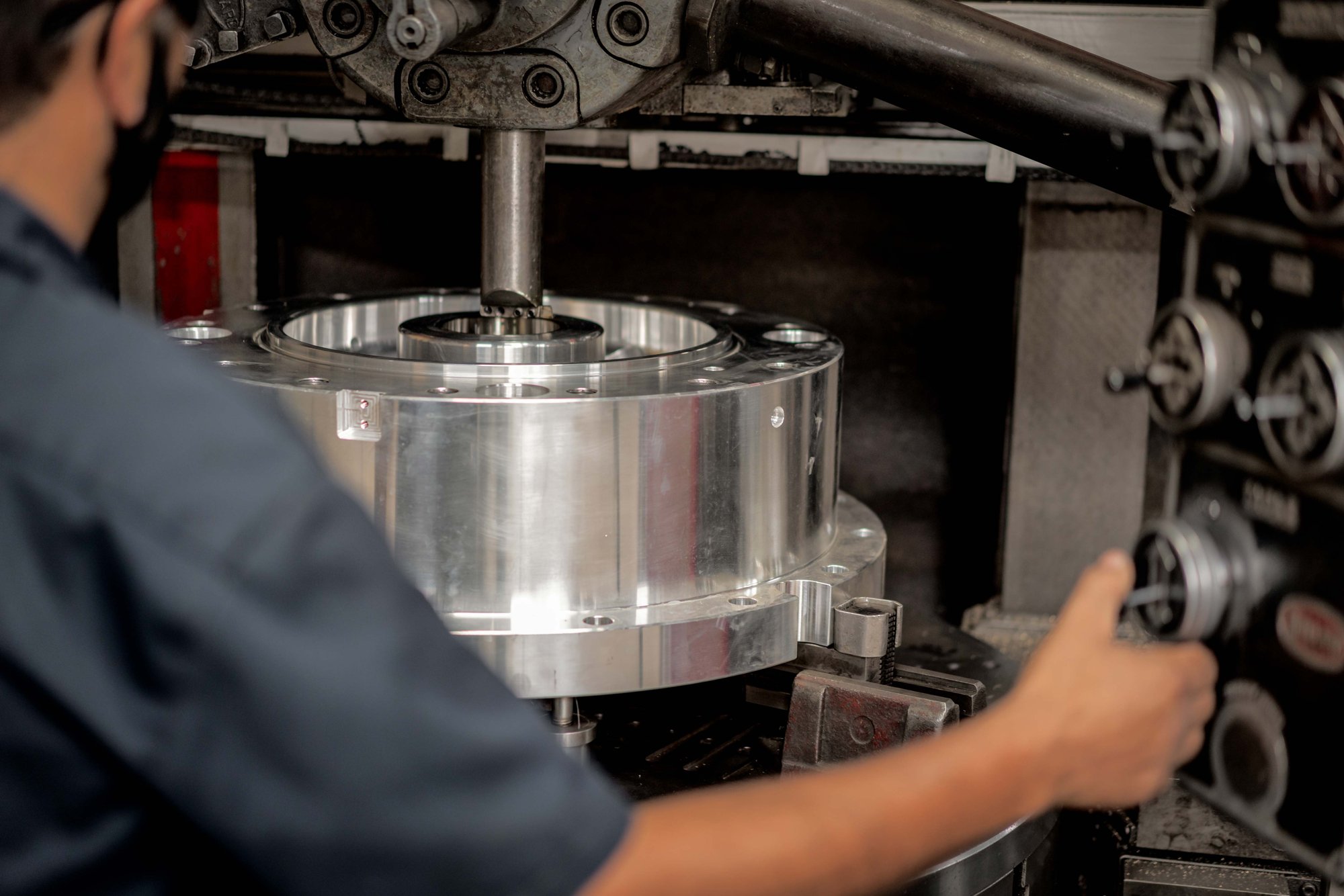
Large turning and milling
Long shafts, large diameters and heavy fabrications turned and milled on equipment sized for them, held to the drawing at any size.
-
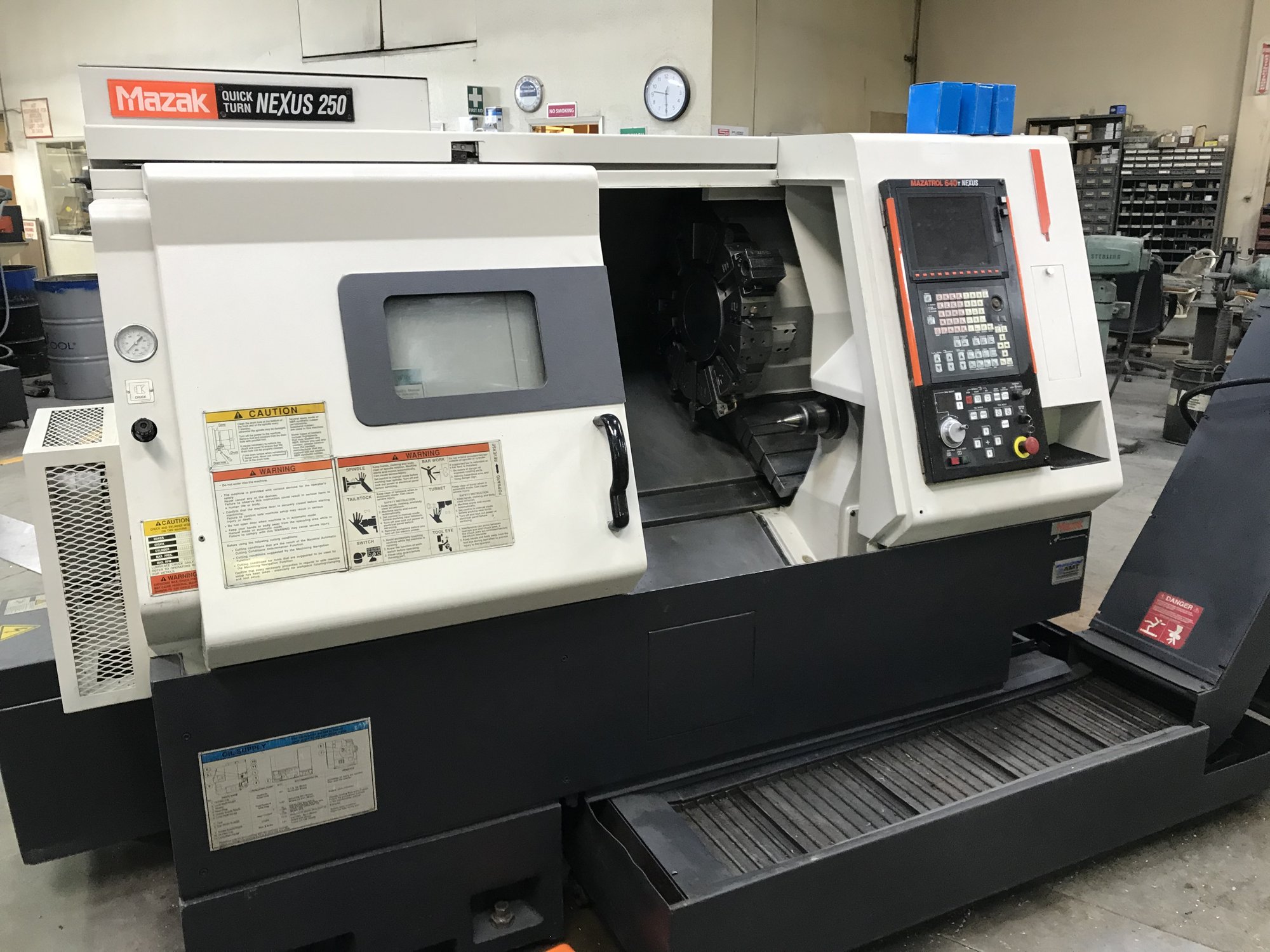
Shaft, gearbox and pump repair
Worn shafts built up and reground, gearboxes stripped and rebuilt, pump and hydraulic components brought back to spec rather than replaced at OEM prices.
-
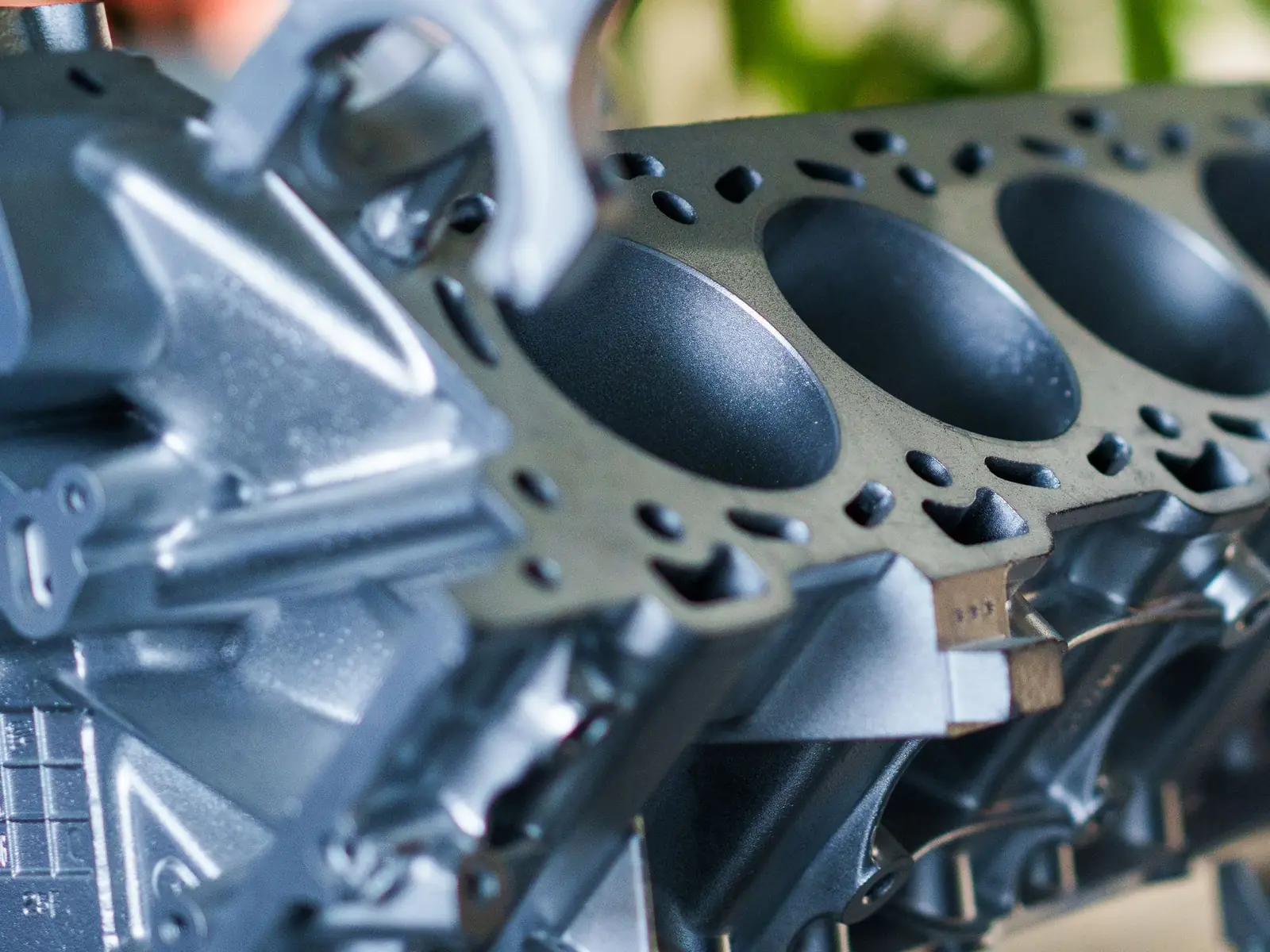
Obsolete and one-off replacement parts
A part the manufacturer no longer makes, reverse-engineered from the broken one or from a measurement, with a drawing you keep.
-
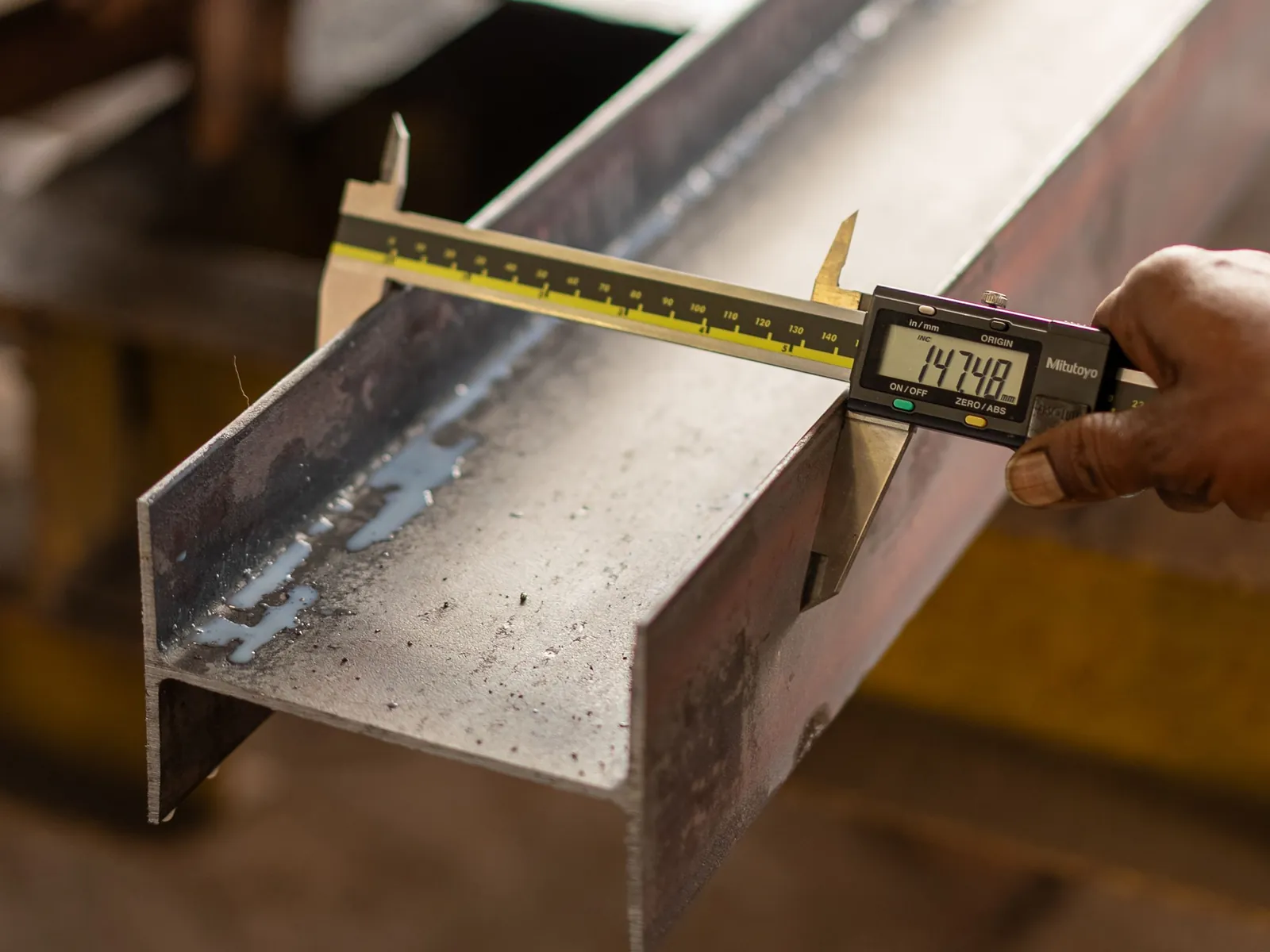
Emergency and breakdown work
Work that starts when the call comes, because a line or a pump that is down costs more per hour than the machining does.
Send the print. The quote names the process, the inspection and the date.
The principal
Shane Jones
President
Where the drawing, the DFM questions and the inspection report get answered.
How it goes
From a drawing to a shipped, inspected part
-
Send the print
Send it under NDA if you want one. A tolerance stack or an awkward feature comes up now, as a DFM question, not after the first article.
-
A quote that says how
Process, fixturing, inspection method and lead time, written down. How a shop handles the RFQ is the best predictor of how it handles the day something goes wrong on the floor.
-
First article, then the run
A first-article check against the print, then production on the same setups, with the documentation your drawing requires.
What maintenance managers ask first
What tolerances can you hold?
The tolerances a machine shop should hold are the ones on your drawing, or a clear answer before quoting that a feature will be difficult and what would make it easier. Capability depends on the part, the material and the fixture, so it is answered per print rather than with one number. Ask any shop for a redacted first-article report to see what they actually measure.
What materials do you machine?
A machine shop should run the materials your drawing specifies. Tell us the material with the RFQ; one that is not run here is flagged at the quote, not after it.
Which certifications should I ask for?
For a machine shop, ISO 9001 certification is the baseline. AS9100 for aerospace, ISO 13485 for medical, ITAR registration for defense work. Ask for the certificate number and the registrar, and for a sample cert pack: material certs, first-article inspection and traceability.
How do you quote, and how fast?
A machined-parts quote should come from the drawing, by someone who knows how the part will be fixtured and inspected, with any question about the print asked before a price is put on it.
Send the drawing
If the drawing raises a question, you hear the question before the price.